
History of Preston Park
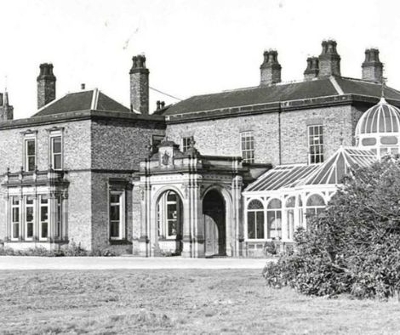
Set on the Preston Park grounds, Preston Hall was built in 1825 by David Burton Fowler.
List panel history

1825
The 1820 plan, of what is now Preston Park, shows how the grounds would have looked when Fowler bought it. It was an agricultural estate made up of 4 farms, a quarry and brickworks. It was also much bigger than the area we know today. It remained this way until 1882.
See more (Go to 1825)
1828
David Burton Fowler died in 1828. His great nephew, Marshall Robinson, inherited Preston Hall on the condition that he add 'Fowler' to his existing name.
See more (Go to 1828)
1878
Marshall Fowler the second, who was Marshall Robinson Fowler's younger son, inherited Preston Hall after the death of his father in 1878. The hall and part of the park was sold to Robert Ropner in 1882. The rest of the park was retained by the Fowlers and continued to be farmed.
See more (Go to 1878)
1882
Over the following years, Robert Ropner became very wealthy and added a number of extensions to Preston Hall. He worked tirelessly to help the community, serving in several roles, including a Member of Parliament for Stockton-on-Tees. He was knighted in 1902. In 1924, Sir Ropner died and left Preston Hall to his youngest son, Leonard. When Leonard died in 1937, Preston Hall was no longer used as a family home. The estate was managed by the executors of Leonard's will.
See more (Go to 1882)
1947
During World War 2, Preston Hall was leased to Ashmore, Benson, Pease and Co. Following this, a housing scheme was planned by a property developer. However the housing scheme failed due to restrictions on building after the war and it was bought by Stockton Corporation in 1947.
See more (Go to 1947)
1953
On 3 June 1953, Preston Hall was officially opened for the first time as a public museum. The collection continued to grow rapidly and eventually reached around 100,000 items.
See more (Go to 1953)
1970
In the late 1960s, plans began to build a replica Victorian Street. It was developed throughout the 1970s and 1980s and became a long-time favourite with visitors. During this time, the period rooms inside the museum were also added.
See more (Go to 1970)
2008
The Preston Park Museum won a successful bid for funding from the Heritage Lottery Fund for nearly £7 million. This allowed the first large-scale renovation and restoration project since it became a museum. Additional financial support was provided by Stockton-on-Tees Borough Council and the Esmee Fairbairn Foundation.
See more (Go to 2008)
2012
The Preston Park Museum re-opened with a brand new image and the reputation as one of Stockton's major cultural attractions was reinforced. In 2013, the Preston Park Museum reached its Diamond Jubilee. It continues to intrigue and inspire the people of Stockton-on-Tees with exciting programmes and themed events.
See more (Go to 2012)
2025
An ambitious plan was set out by Stockton-on-Tees Borough Council to transform Preston Park, after receiving funding from the £20million investment from the Ministry of Housing, Communities & Local Government. The transformation includes a large two-storey extension of the museum. It is connected to the existing Victorian Street and includes a large exhibition space and open collection stores. The new spaces will make it possible to bring renowned, nationally significant exhibitions to the region for the first time. Wider Park improvements include park, café and toilet refurbishments, repurposing the aviary structure, additional car parking spaces and reinterpreting the important story of the Stockton & Darlington Railway close to the original 1825 track-bed.
See more (Go to 2025)
 1825
1825
1825
1825
1825
The 1820 plan, of what is now Preston Park, shows how the grounds would have looked when Fowler bought it. It was an agricultural estate made up of 4 farms, a quarry and brickworks. It was also much bigger than the area we know today. It remained this way until 1882.
See more (Go to 1825)
1828
1828
1828
David Burton Fowler died in 1828. His great nephew, Marshall Robinson, inherited Preston Hall on the condition that he add 'Fowler' to his existing name.
See more (Go to 1828)
1878
1878
1878
Marshall Fowler the second, who was Marshall Robinson Fowler's younger son, inherited Preston Hall after the death of his father in 1878. The hall and part of the park was sold to Robert Ropner in 1882. The rest of the park was retained by the Fowlers and continued to be farmed.
See more (Go to 1878)
1882
1882
1882
Over the following years, Robert Ropner became very wealthy and added a number of extensions to Preston Hall. He worked tirelessly to help the community, serving in several roles, including a Member of Parliament for Stockton-on-Tees. He was knighted in 1902. In 1924, Sir Ropner died and left Preston Hall to his youngest son, Leonard. When Leonard died in 1937, Preston Hall was no longer used as a family home. The estate was managed by the executors of Leonard's will.
See more (Go to 1882)
1947
1947
1947
During World War 2, Preston Hall was leased to Ashmore, Benson, Pease and Co. Following this, a housing scheme was planned by a property developer. However the housing scheme failed due to restrictions on building after the war and it was bought by Stockton Corporation in 1947.
See more (Go to 1947)
1953
1953
1953
On 3 June 1953, Preston Hall was officially opened for the first time as a public museum. The collection continued to grow rapidly and eventually reached around 100,000 items.
See more (Go to 1953)
1970
1970
1970
In the late 1960s, plans began to build a replica Victorian Street. It was developed throughout the 1970s and 1980s and became a long-time favourite with visitors. During this time, the period rooms inside the museum were also added.
See more (Go to 1970)
2008
2008
2008
The Preston Park Museum won a successful bid for funding from the Heritage Lottery Fund for nearly £7 million. This allowed the first large-scale renovation and restoration project since it became a museum. Additional financial support was provided by Stockton-on-Tees Borough Council and the Esmee Fairbairn Foundation.
See more (Go to 2008)
2012
2012
2012
The Preston Park Museum re-opened with a brand new image and the reputation as one of Stockton's major cultural attractions was reinforced. In 2013, the Preston Park Museum reached its Diamond Jubilee. It continues to intrigue and inspire the people of Stockton-on-Tees with exciting programmes and themed events.
See more (Go to 2012)
2025
2025
2025
An ambitious plan was set out by Stockton-on-Tees Borough Council to transform Preston Park, after receiving funding from the £20million investment from the Ministry of Housing, Communities & Local Government. The transformation includes a large two-storey extension of the museum. It is connected to the existing Victorian Street and includes a large exhibition space and open collection stores. The new spaces will make it possible to bring renowned, nationally significant exhibitions to the region for the first time. Wider Park improvements include park, café and toilet refurbishments, repurposing the aviary structure, additional car parking spaces and reinterpreting the important story of the Stockton & Darlington Railway close to the original 1825 track-bed.
See more (Go to 2025)


